
How everyday trash fuels extreme weather

By
Extreme weather isn’t rare anymore – it’s routine. Across the United States, disasters that once felt seasonal or isolated are striking with increasing force – and leaving communities with little time to recover before the next crisis begins. In 1980, the U.S. experienced just three billion-dollar weather disasters. By 2023, there were twenty-eight – the highest number ever recorded in a single year. Since then, more than 400 of these disasters have caused over $2.9 trillion in damages.
Although fossil fuel pollution is the main driver of climate change and the disasters that follow, everyday waste plays a surprisingly large – and often overlooked – role.
Trash doesn’t disappear
A plastic wrapper. A takeout container. Leftovers scraped from a dinner plate. These everyday items rarely feel connected to hurricanes, wildfires, or extreme heat. Yet once they’re thrown away, they enter vast waste systems that continue releasing climate pollution long after they’re forgotten.
In landfills, buried waste – including food, paper, clothing, and plastics – produces methane, a powerful greenhouse gas that accelerates warming. In incinerators, burning trash, much of it plastic-based, releases climate emissions and toxic pollutants into nearby communities. As these emissions build in the atmosphere and oceans, they drive rising temperatures on land and at sea. Warmer waters can fuel hurricanes, while shifting weather patterns bring heavier rainfall, prolonged heat waves, worsening drought, and more volatile winter storms.
What happens to our trash has far-reaching consequences. It helps set the stage for the disasters communities are increasingly forced to endure – and the very real human costs that follow.
A Texas story in a year of floods
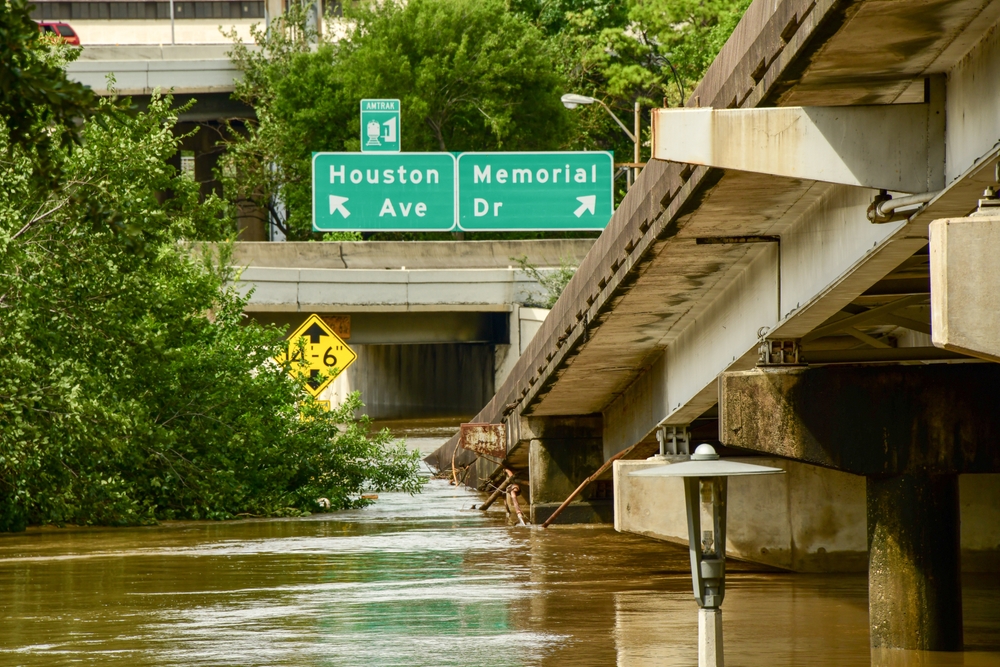
When Hurricane Beryl tore through southeast Texas last summer, it wasn’t just another headline for me – it was happening right outside my door. Storms and flooding are part of life along the Gulf Coast, but this one unfolded with a force and urgency that felt harder to prepare for and even harder to recover from.
I watched as strong winds, heavy rains, and powerful storm surges left homes and communities in shambles. Roofs peeled away. Trees were ripped from the ground. Streets became rivers, and entire neighborhoods were submerged.
In the week that followed, millions were left without power, including myself. Some residents were trapped without working phones, unable to call for help. As electrical restoration lagged, temperatures climbed to dangerous levels. With homes destroyed and no power to cool, many Texans were forced to seek shelter to survive.
Houston sits near some of the nation’s largest petrochemical facilities, plastics manufacturers, and waste infrastructure. The communities closest to this industrial corridor often face higher pollution exposure – and greater risk when floods and extreme heat strike. And Texas isn’t alone. Climate change has pushed extreme weather into a new era – one that is more frequent, more destructive, and more unpredictable.
Why extreme weather is intensifying
Over the past century, Earth’s temperature has steadily risen as greenhouse gases from fossil fuels, agriculture, landfills, and other human activities accumulate in the atmosphere. Since 1850, the planet has warmed by roughly 2°F in total – a shift that may seem small but has profound consequences for weather patterns around the world. In 2024, global temperatures reached their highest levels on record.
Greenhouse gases (like carbon dioxide, methane, and nitrous oxide) trap heat radiating from Earth’s surface that would otherwise escape into space, warming the air, oceans, and land. Scientists estimate that more than 90% of this excess heat is absorbed by oceans, driving sea level rise and creating conditions for stronger storms. At the same time, warmer air holds more moisture – about 7% more for every 1°C of warming – allowing storms to carry heavier rainfall and snowfall.
As huge shifts in heat and moisture move through interconnected Earth systems, weather becomes more volatile. Storms intensify more quickly, heat waves last longer, drought conditions deepen, and seasonal patterns begin to shift. What were once isolated events are increasingly part of a broader and more unstable climate reality.
In 1980, the U.S. experienced just three billion-dollar weather disasters. By 2023, there were twenty-eight – the highest number ever recorded in a single year.
Extreme weather and evolving patterns
Across the U.S., the effects of a warming climate are no longer distant or abstract. Today, the U.S. experiences nearly one billion-dollar weather disaster every two weeks. Communities that once considered themselves “low-risk” are now confronting dangerous heat, record-breaking rainfall, wildfire smoke drifting thousands of miles beyond burn zones, and sudden freezes – sometimes within the same year. With climate pressures intensifying, disasters not only become more severe but more widespread, testing the limits of infrastructure and emergency response systems.
As extreme weather seasons overlap, extending for weeks or months, recovery becomes more difficult. Power grids, transportation networks, and wastewater systems can struggle to withstand repeated shocks, leaving communities increasingly vulnerable to cascading environmental and public health risks.
Flooding, hurricanes, and rising seas
Flooding is now the most common and costly climate disaster in the U.S. As the planet warms, the atmosphere holds more moisture, causing storms to release heavier rainfall in shorter bursts. Over the past century, heavy rainfall events have increased by more than 40% in parts of the country, while rising sea levels push storms farther inland, especially along the Gulf Coast.
During Hurricane Beryl, communities across southeast Texas experienced how quickly intense rainfall and storm surge can overwhelm infrastructure. In cities like Houston, rapid development has replaced wetlands with pavement and concrete, leaving floodwaters with fewer natural places to drain – a challenge facing many communities nationwide. When storms overwhelm drainage and wastewater systems, floodwaters can carry sewage, industrial contaminants, and waste into neighborhoods and waterways, turning climate disasters into broader public health crises.



Extreme heat
Heat is the deadliest form of extreme weather in the country, though it rarely makes headlines. Rising temperatures have extended the average heat wave season by more than a month since the 1960s, and urban areas experience temperatures up to 7°F higher than surrounding regions due to dense infrastructure and limited green space.
The 2021 Pacific Northwest heat wave saw temperatures exceed 110°F in cities like Portland and Seattle. Events like this reveal just how dangerous these shifts can be in places historically unaccustomed to extreme heat: Hundreds of people across the region died, emergency services were overwhelmed, and many lacked access to adequate cooling.
Wildfires and air quality
Wildfires are burning hotter, spreading faster, and becoming more persistent than just a few decades ago. What was once a seasonal threat is now a year-round hazard. This is largely due to warmer temperatures, lengthy droughts, and earlier snowmelt – circumstances that cause vegetation to dry up for long periods, increasing the likelihood of ignition.
During recent wildfire seasons, smoke from Western fires spread across large portions of the U.S., triggering air quality alerts in communities far from the flames. When wildfire smoke mixes with emissions from industrial facilities, landfills, and incinerators, air quality can reach extremely dangerous levels – compounding respiratory risks and deepening the impacts of climate disasters.
Extreme cold and winter storms
The Arctic is warming nearly four times faster than the global average, weakening atmospheric patterns that typically help keep frigid air contained near the poles. As the Arctic warms and temperature differences between the poles shrink, cold Arctic air plunges farther south and lingers. The result is not simply colder weather, but more volatile winter extremes – including rapid temperature swings, heavy snowfall, and prolonged freezes in regions unaccustomed to them.
How waste disposal fuels climate pollution
The moment trash leaves our hands, it enters a system that continues to shape our climate. From the production of plastic to landfills and incinerators designed to manage disposed materials, this cycle releases climate pollution and toxic emissions that warm the planet, fuel extreme weather, and threaten public health.
Plastic harms the climate at every stage
Long before a plastic package reaches our hands, significant climate pollution has already entered the atmosphere. Plastic is made from fossil fuels, and its journey begins with oil and gas extraction – an energy-intensive process that generates greenhouse gas emissions from the start. In the U.S. alone, producing plastic feedstocks releases an estimated 12.5 to 13.5 million tons of carbon dioxide into the atmosphere each year. In fact, if plastic were a country, it would be the world’s fifth-largest emitter of greenhouse gases.
Yet much of this material is designed for single-use. Roughly 40% of plastic is used for packaging – wrappers, containers, and bags that are often discarded within minutes or days of being used. This rapid cycle from production to disposal means enormous volumes of fossil fuel-based materials are constantly moving through the economy and into waste systems.
Once thrown away, plastic continues to shape our climate. Whether buried in landfills, burned in incinerators, or leaked into the environment, it releases greenhouse gases and toxic pollutants long after its brief moment of convenience has passed.
Landfills and food waste
Much of what we throw away contains carbon-based materials. When buried in a landfill there is no air, so materials do not decompose as they would on the surface. Instead, microorganisms that thrive in anaerobic conditions convert the carbon and water present in the landfill (usually introduced by rain or snow seeping through cover materials) into methane gas – a greenhouse gas 80 times more powerful than carbon dioxide over a 20-year period.
Because of this process, landfills are now the third-largest source of methane emissions in the U.S., responsible for nearly 17% of the country’s methane pollution. In 2022 alone, landfill methane emissions had a climate impact comparable to nearly 28 million gasoline-powered cars.
Food Waste plays a primary role in these emissions. As the most common material sent to landfills, discarded food decomposes rapidly and drives a significant share of methane production. In 2020, food waste accounted for roughly 58% of landfill methane emissions. With Americans wasting an estimated 40% of the U.S. food supply each year, food waste has become one of the largest contributors to rising temperatures and worsening climate instability.
Incinerators
Incinerators, on the other hand, burn trash at high temperatures to generate electricity, which is why they’re often marketed as waste-to-energy facilities. But the reality is, burning waste releases carbon dioxide and many other toxic pollutants, including fine particulate matter, nitrogen oxide, heavy metals, and dioxins – all of which are harmful to not only humans, but the planet.
Because much of today’s waste stream contains plastic, burning this material is especially damaging. In 2015, plastic waste alone released an estimated 5.9 million tons of carbon dioxide from incineration. Even when used to generate electricity, waste incineration produces significant greenhouse gas emissions and is more carbon-intensive than cleaner energy sources like wind and solar power.
Incineration also produces two types of toxic ash – bottom ash and fly ash – both of which contain concentrated hazardous substances and get landfilled (except for any ash that has escaped into the environment). Instead of eliminating waste, incineration transforms it into pollution that lingers in the air and warms the planet.
The reality
Together, the production, consumption, and disposal cycle pollutes the planet with damaging emissions – ultimately driving a cycle of pollution that destabilizes our climate. If that weren’t bad enough, these facilities are also disproportionately located near low-income communities and communities of color, increasing exposure to pollution and compounding existing health risks.
Communities are being asked to endure disasters that are growing more frequent, more intense, and more disruptive than the systems around them can withstand.
False solutions delay progress
To truly curb climate pollution and protect communities, governments must act. But too often, the very industries responsible for generating waste and pollution get in the way. They promote false fixes that dominate headlines and legislative conversations, delaying real solutions while production and pollution continue to grow.
As pressure mounts to address plastic pollution and climate change, industries are promoting technologies that sound promising but fail to deliver meaningful solutions. Chemical recycling, advanced recycling, pyrolysis, gasification, methanolysis, and solvolysis – all often marketed as systems that “recycle plastics,” do anything but. Real recycling takes used materials and turns them back into the same product or packaging as before. A plastic bottle, for example, is turned back into another plastic bottle.
What chemical recycling and similar false solutions really do is use high heat to break plastic down into gases, chemicals, tars, oils, and toxic waste byproducts, which are subsequently burned. All these systems require large amounts of energy to operate. And instead of cutting pollution, these processes allow climate emissions to continue – deepening climate damage that fuels extreme weather. These false solutions also depend on continuous streams of waste to remain profitable, creating incentives to produce more trash rather than reduce it.
As much as industry touts it is solving the waste crisis, their marketing schemes only preserve the country’s throwaway economy while shifting pollution burdens onto communities and accelerating climate risks.
Choosing a different path forward
After Hurricane Beryl left millions across southeast Texas without power and many homes damaged or destroyed, one truth became clear: Communities are being asked to endure disasters that are growing more frequent, more intense, and more disruptive than the systems around them can withstand. These events are not accidents. They reflect decisions – what companies produce, how waste is managed, and whose health and safety our systems view as expendable.
The good news: Different choices can lead to a safer future.
Everyday actions are often what build momentum for broader solutions and policies. Choosing to buy reusable products, compost food scraps, and support refill and repair programs sends a message to lawmakers and companies. It shows them that there is a demand for laws and systems that reduce toxic emissions, minimize waste, and hold corporations accountable.
Lasting change depends on transforming systems to truly benefit people and the planet, rather than forcing individuals to carry the burden alone. But to enact wide-spread change, we need policies that hold corporations accountable – requiring them to reduce plastic production and set safer product design.
We cannot bury, burn, or engineer our way out of the waste crisis. Mandating changes by law can help shift entire industries toward healthier systems. By reducing waste at the source, transitioning away from fossil fuels, and investing in Zero Waste systems that center community health and resilience, we can cut the pollution driving major atmospheric shifts and build a safer future.
Communities rebuilding after disasters deserve more than band-aid fixes. They deserve bold action that prevents these events from getting worse. A climate-safe, Zero Waste future is possible – if we choose it now.
Champion Zero Waste
When we come together to mobilize around key issues, people take notice and systems change. Use your power to transform our future for the better.